The structure and visual appearance (in a digital environment) of a record of an encounter holds importance, not as much as the constituent data itself, but the aesthetics are a component that should be considered:
- How something is recorded shapes what people consider it to be. There is the danger that if each entry into the archive looks like a filing cabinet card, it could be treated like traditional data – sort it, compare it, file it away. I want people to ‘feel’ Hastings, rather than catalogue it. But if I am including some empirical data, consistent dimensions across each encounter, then some aspects of a filing-cabinet-card-structure could be relevant. In his essay “The Body and the Archive”, Allan Sekula likens the grid-like, standardised format of photos in old photo archives as akin to evidence in a case file:
In his essay “The Body and the Archive,” Sekula examines the advent of photography in 19th century France as it relates to institutional categories of difference. His overarching definition of the archive is rooted in a turn-of-the-century culture in which denotations of class and classification became a basis for photographic meaning. Sekula’s inquiry pays particular attention to the ways in which the operations of the archive served to create typologies that became devices of regulatory control. With the apparatus of the camera, categories from criminology to ethnography to bourgeois subjectivity were established that facilitated the cataloguing and surveying of bodies in ways that fueled ideological investments in colonialism and nation-building. In contemporary terms, Sekula argues that the device of the archive within apartheid South Africa became “the last physiognomical system of domination.” (Artists Space, 2023)
- The contents of a container are changed by by the container – as per Barad’s work, you can’t separate the “thing itself” from the “way we choose to look at it”. The format I use to record an encounter will affect how that encounter ‘is’, how it continues to exist.
- If I force the records into a tidy consistent format, then I am potentially squeezing my felt, somatic experience into something clinical and administrative which is counter to my desire for a (loosely) phenomenological approach. Heidegger’s point about being in the world is that our core experience of being somewhere is messy, felt, pre-verbal – moods, habits, a sense of belonging or unease
- Consider Aby Warburg’s Mnemosyne Atlas or Bilderatlas (see below). Warburg arraned images on boards, not by date or subject but by associative connection – the arrangement itself was to determine the meaning: layout as interpretation, not just storage
- As Hastings is a collaborator, how I record encounters needs to leave space for the town to “speak” in it’s own way – e.g. wear, inconsistency, weathering, disorder. Irregularity, decay are meaningful content
In short, every choice about what my archive looks like (grid vs collage, data fields vs handwritten notes, digital and permanent vs physical and decaying) is already making a claim about the kind of relationship I have with Hastings and St Leonards
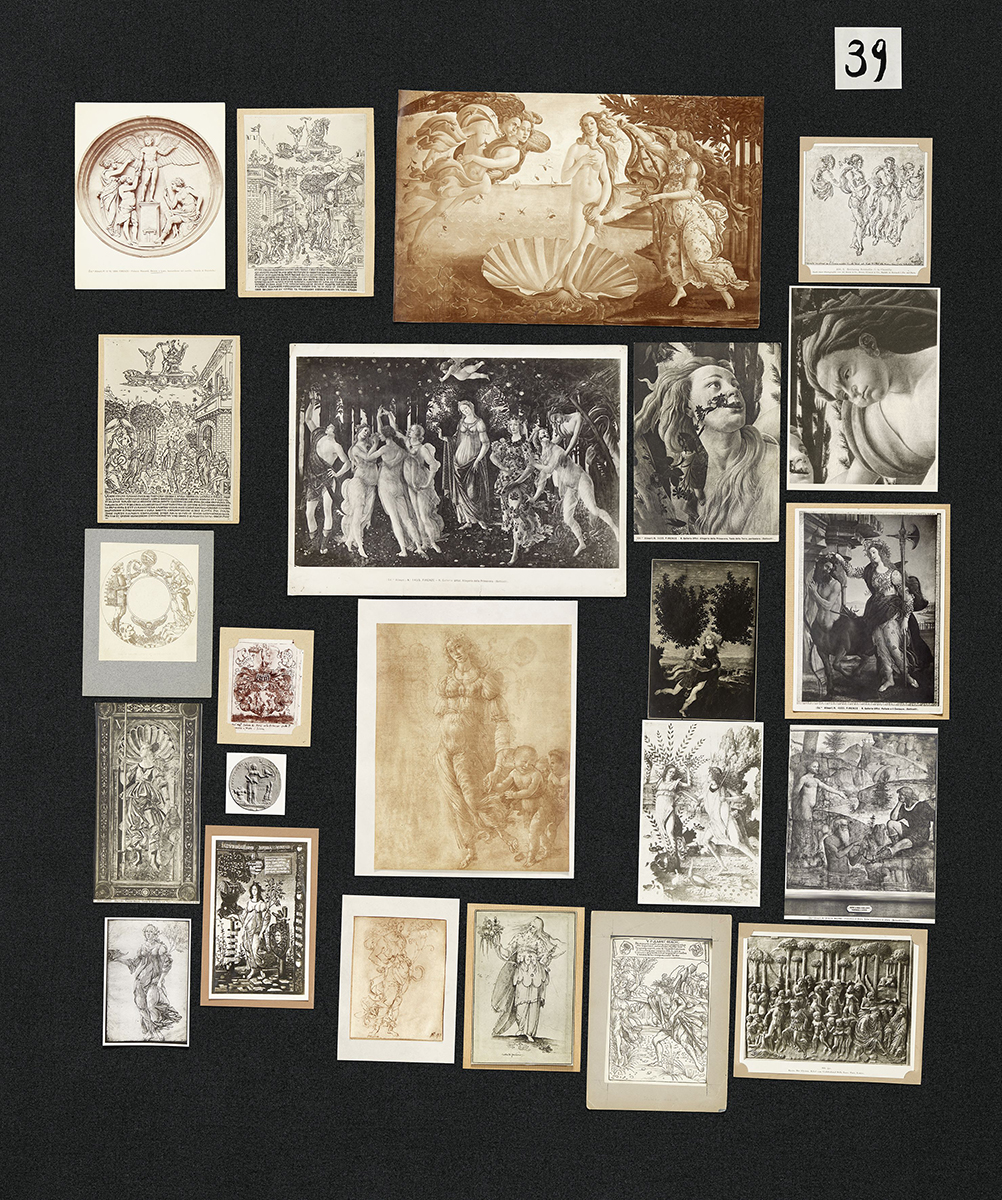
Fig.1. Bilderatlas Mnemosyne, panel 39. (1927 – 1929)
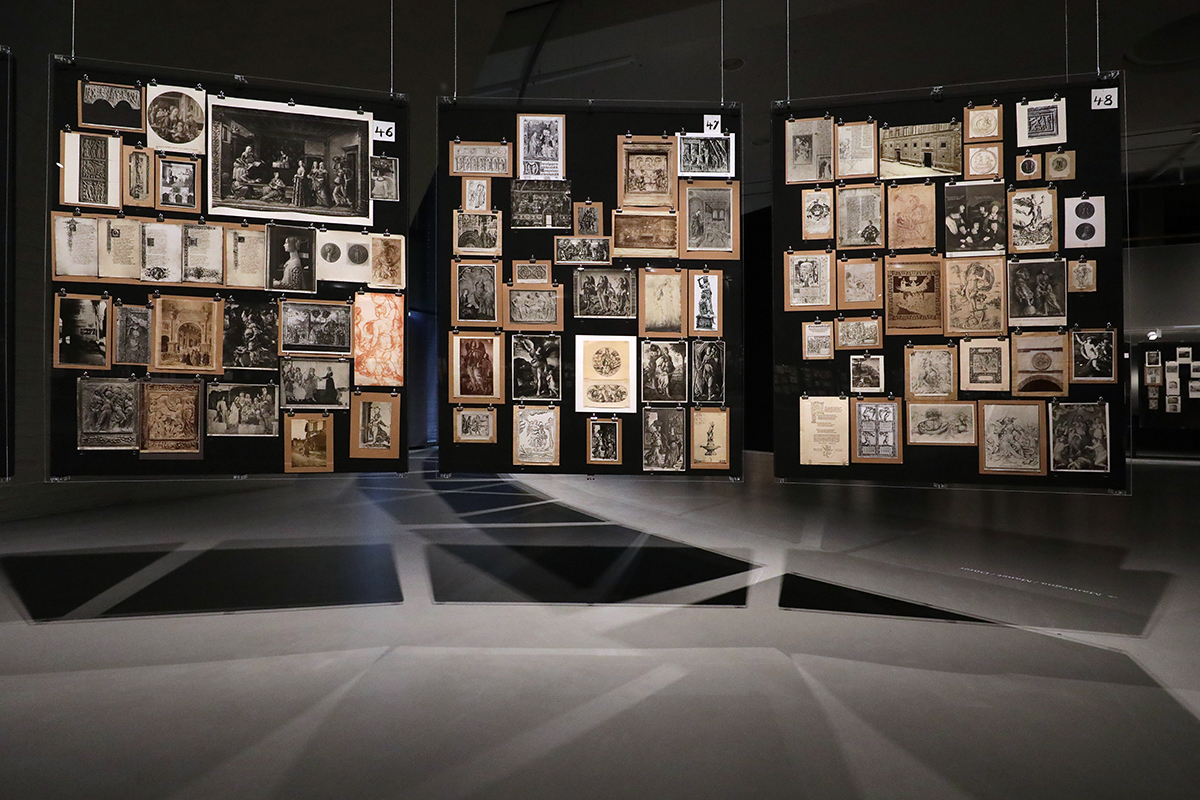
Fig.2. Bilderatlas Mnemosyne – The Original, (installation view) (2020).
Warburg’s Bilderatlas (picture atlas), begun in the final years of his life and incomplete at his death, in 1929, represents the origins of modern (Western) art history, when disciplines such as iconography, sociology, ethnography and psychology were introduced into a history of Western art that had until then been dominated by aesthetics alone; (Rappolt, 2020)
The Bilderatlas comprises a series of 63 panels with black-felt backgrounds that collectively feature 971 images comprising photographic reproductions of artworks stretching from Antiquity to the Renaissance, mixed in with newspaper cuttings and advertisements, stamps, images of coins and astrological charts. Warburg had begun the project of assembling his visual archive in 1924, tracking its references, evolutions and recombinations using a card index as he moved his vast undertaking towards a planned book form (Rappolt, 2020)
The panels are arranged so as to suggest connections and leaps across time and space, and to argue for the fundamental importance of the visual within more general studies of culture. (Rappolt, 2020)
Bibliograhy
Artists Space (2023) Body and the Archive at: https://artistsspace.org/exhibitions/body-and-the-archive#announcement (Accessed: 06/07/26)
Three Minute Theory: What is Intra-action (2015) [Youtube Video] At: https://youtu.be/v0SnstJoEec?si=EkxQQrqOlXBWfB2- (Accessed: 06/07/26)
Rappolt, M (2020) How Art Historian Aby Warburg Changed the Way We See at: https://artreview.com/how-art-historian-aby-warburg-changed-the-way-we-see/ (Accessed 06/07/26)
List of Illustrations
Fig.1. Warburg, A (1927-1929) Bilderatlas Mnemosyne, panel 39. [photographic reproductions of artworks, newspaper cuttings and advertisements, stamps, images of coins and astrological charts on black felt covered boards] at: https://artreview.com/how-art-historian-aby-warburg-changed-the-way-we-see/ (Accessed: 06/07/26)
Fig.2. Warburg, A. (1927 – 1929) Bilderatlas Mnemosyne – The Original, (installation view) [Photograph of installation] at: https://artreview.com/how-art-historian-aby-warburg-changed-the-way-we-see/ (Accessed: 06/07/26)