My initial thoughts about archive presentation have centred around a digital form. The potential layering of the ‘data’ and it’s constituent dimensions suggests that viewers, ‘accessers’, would want to filter through the content in a way that suits them, that matches their personal mental model, and a digital repository was an obvious option. In my professional work we design search and filtering systems for venues and their event catalogues, that offer ‘Users’, what we refer to as, multidimensional filtering, different ways of reducing an event catalogue quickly and intuitively. Each event is tagged with multiple different dimensions (e.g. start time, end time, accessibility type, genre, price bracket etc) with the filter system matching those tags. Users can select multiple dimensions to find (or discover) the event that matches the needs and desires. This is the model I immediately gravitated towards.
This needs to be more than a ‘flat’ catalogue with a search and filtering system though. This archive needs to occupy space, in some way, to reflect the space (Hastings) I am exploring and researching. Continuing to pursue the digital direction, I considered the idea of a 3 dimensional, interactive mind map; viewers would be able to navigate through the ‘data’ both informationally as well as spatially – up/ down, left/right, zoom in/zoom out. However, I have begin to move away from that concept for two reasons: firstly, unless I can find a willing, free developer to collaborate with or no-code software, creating this is most likely beyond my current coding skills. Secondly and more importantly, influenced by researching the Work of Mark Dion (https://experimentalencounters.nikolashead.co.uk/2026/07/06/mark-dion/), and Barad’s theory of Intra-action, my – and others- relationship with the contents of the archive is dependent on it having a physical presence in the world; different layers of meaning will emerge because the archive will have a tangibility. Viewers will co-create new meanings because the object has ‘corporeality’. Also, perhaps more prosaically, the archive should physically exist because it’s an object of art.
So…
- an archive with a physical presence, a physicality that reflects in some way empirical aspects of my walks and the ability to ‘filter’ through the information in variety of different ways.
- Plus a desire to have it exist as an object of art in it’s own right.
- A level of abstract-ness. Uniqueness.
The physical route I am now considering has been initiated by the work of Chiharu Shiota. Her vast networks of thread, engulfing entire rooms in response to the architecture of the spaces they’re installed in, have captivated me since I first experienced them in Adelaide 2 years ago. I have wanted to respond to her use of thread in my own work, but not in a direct way, or as a pastiche: I don’t want to copy, I want to draw upon the visual language she uses.
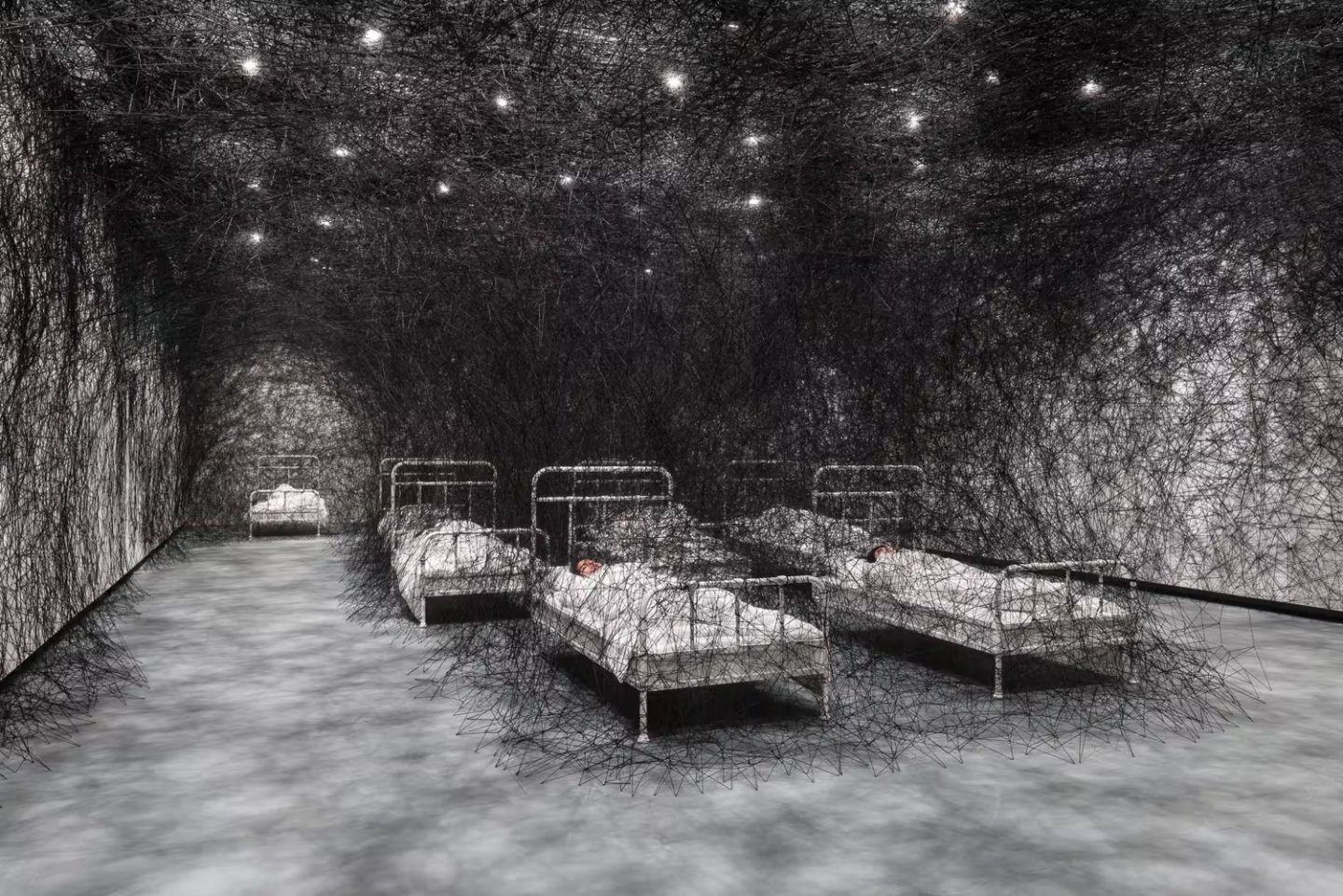
Fig.1. Threads of Life: During Sleep (2026)
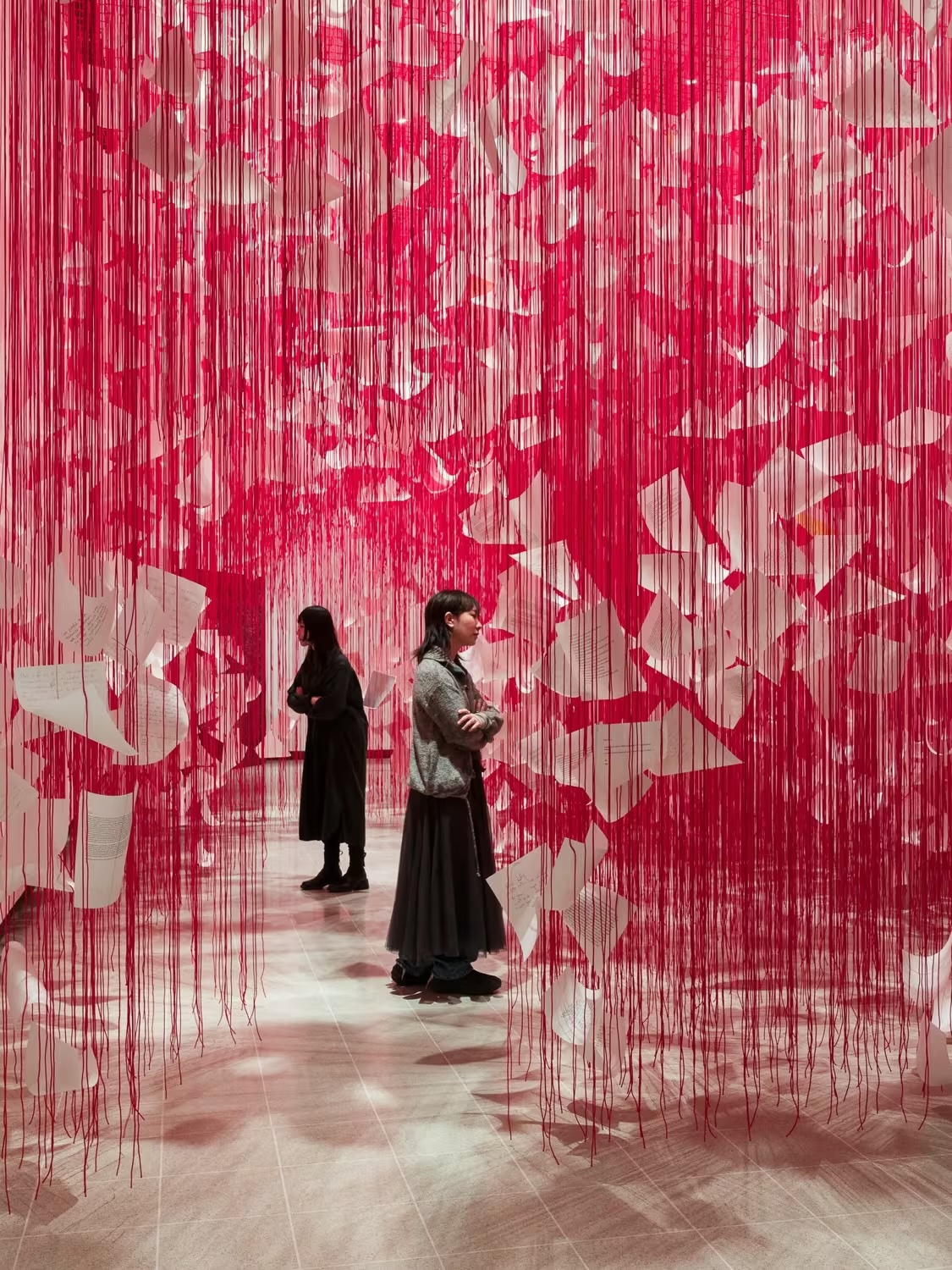
Fig.2. Threads of Life: Letters of Thanks (2026)
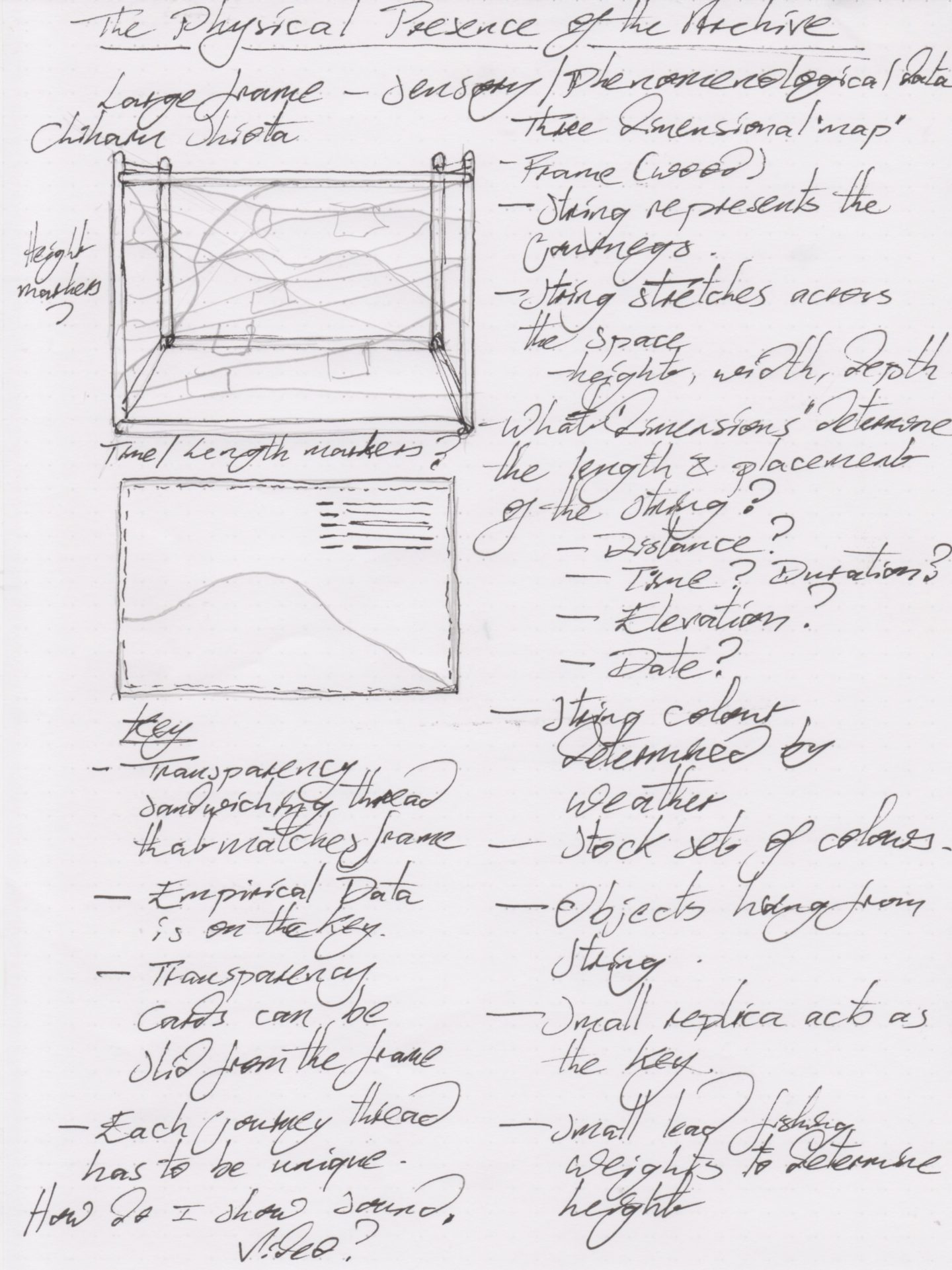
The sketches below will act better than a written explanation, but as a brief lead in…a simple self, supporting, three-dimensional wood frame, size yet to be determined. The boundaries of the frame, relate to spatial dimensions – East, West, North, South, elevation, depth. Each journey taken is represented by a thread. A journey thread will be fixed at a point on the frame that relates to the physical start point’s spatial dimensions in Hastings (most likely always my Home). The thread will mirror the walk in the way that it crosses the compass-point and elevation axes of the frame (if that makes sense). Thin, clear fishing wire will allow mirroring of height. ‘Things’ ‘Objects’, ‘items’, the records of my walk-encounter, could be hung from the threads, but that is now feeling too obvious. Besides how would I deal with video and sound in this approach. I am now thinking of knots, tied at points on the thread that relate to the distance or the time-stamp that specific encounter. Think Quipa, as used by the ancient Incas to keep records. Some form of key would exist, maybe a smaller version of the frame with clear labels, maybe ‘record cards’ – form still to be determined – to allow a viewer, if they wish to decipher, the thread-walks and the relevance of the knots.
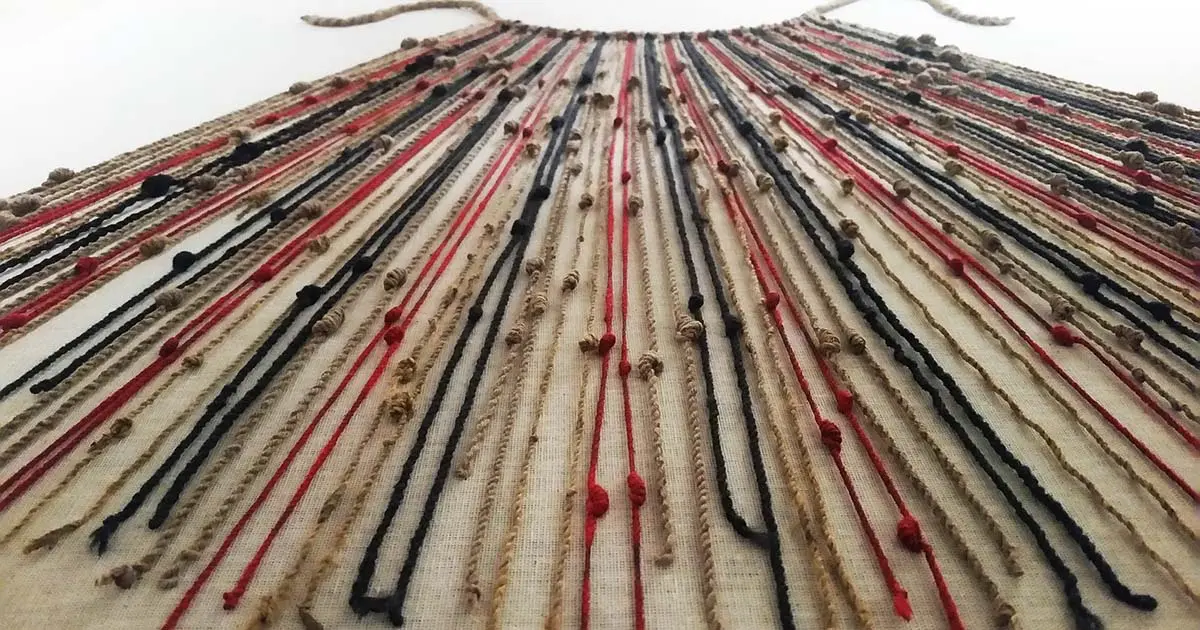
Fig.3. Example of a Quipa (detail) (2020)
List of Illustrations
Fig.1. Shiota, C (2026) Installation view of Chiharu Shiota: Threads of Life. During Sleep [photograph] At: https://www.southbankcentre.co.uk/venues/hayward-gallery/past-exhibitions/chiharu-shiota-threads-of-life/ (Accessed 11/07/26)
Fig.2. Shiota, C (2026) Installation view of Chiharu Shiota: Threads of Life. Letters of Thanks [photograph] At: https://www.southbankcentre.co.uk/venues/hayward-gallery/past-exhibitions/chiharu-shiota-threads-of-life/ (Accessed 11/07/26)
Fig.3. Peru for Less (2020) Quipus, or talking knots, were record-keeping devices for ancient Andean civilizations. [Photograph] At: https://www.peruforless.com/blog/quipu (Accessed 11/07/26)